
A Car Was Taken. So Was a Driver’s Livelihood.
By Michael Baumhart
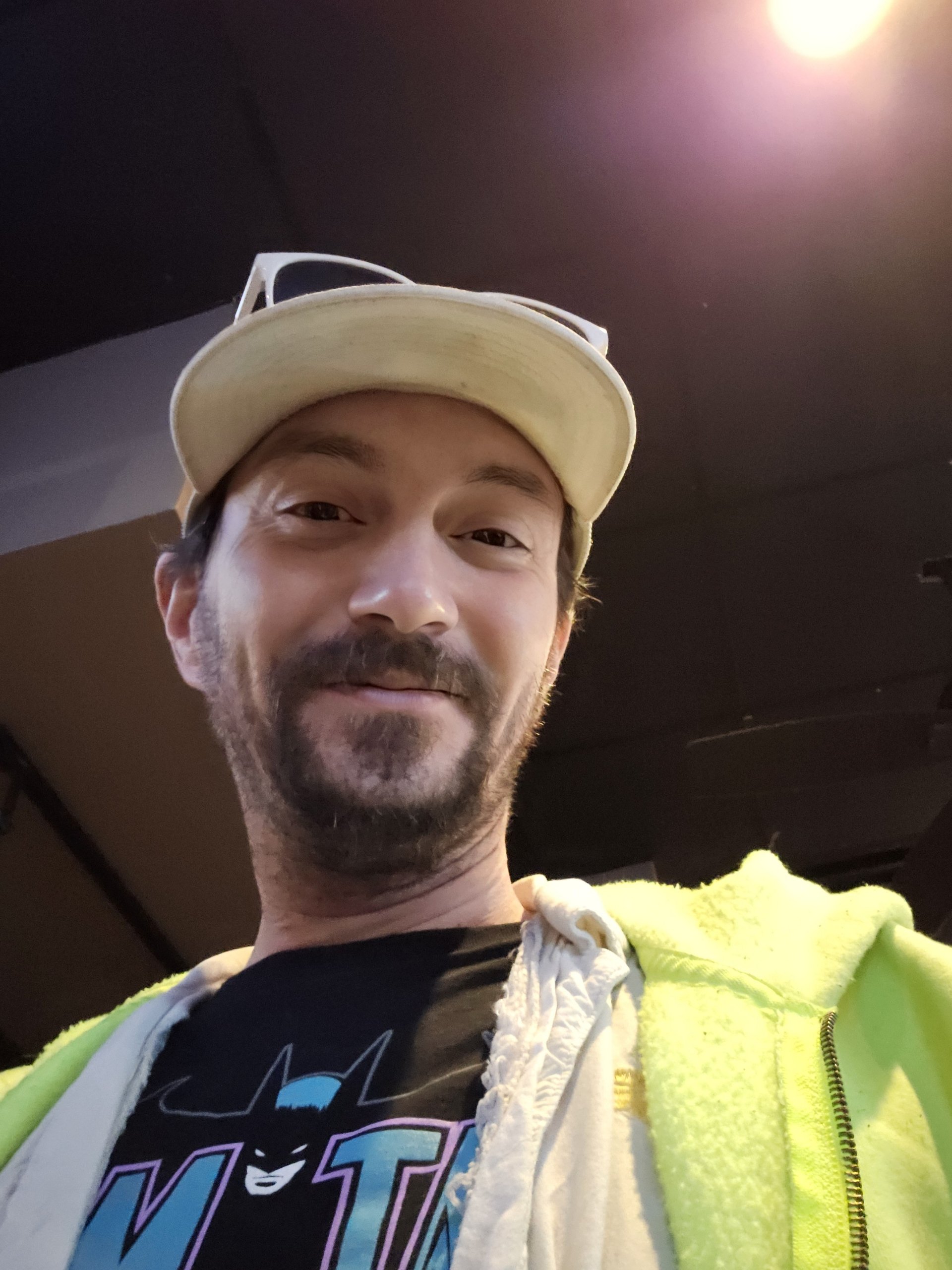
Rideshare Driver and Alliance Member Michael Baumhart
For many people, losing access to a car is an inconvenience. For rideshare drivers like myself, it can mean losing your income, your housing, and your ability to survive.
I’ve been participating in Lyft’s rental program through Hertz since August 2024, and have been a driver for the past 10 years. Like thousands of drivers across the country, paying a substantial weekly rental fee in exchange for access to a vehicle that allows us to live and work. The rental program is simple on paper. Drive for Lyft and make my payments on time to keep my account in good standing.
I did my part, and when I received a notification that my vehicle needed to be swapped, I followed the standard procedure and scheduled an appointment with Hertz for June 1st. My account was in good standing, and my rental payments were on time. There was no indication that anything was wrong.
The week before the scheduled drop-off, I was in Springfield lobbying for the passage of our Rideshare Drivers’ Union Bill. I planned to drive the evenings and weekends after our advocacy work to make some money, then drive back up to Chicago to drop off the car. Out of nowhere, on May 28th, while I was still in Springfield, the vehicle was repossessed without any explanation or prior notice. Inside were my personal belongings, including essential hygiene items, a set pool cues, and most importantly to me, the collar of my deceased dog. The tow also caused damage to the vehicle and the hotel parking lot where it was taken.
Since then, I’ve spent hours on the phone with Lyft and Hertz trying to understand what happened. Every call seems to produce a different answer. One representative told me that Lyft failed to pay Hertz. Another said the vehicle had been placed on a sales hold. Yet another explanation contradicted the previous one. Despite repeated attempts, no one has been able to provide me with a clear timeline, consistent documentation, or a real solution.
Meanwhile, I am still being charged for the car, with no way to earn income and no consistent place to sleep.
My experience highlights how dire the need for union representation is for rideshare drivers not only in Illinois but across the country. Our organizing in Springfield was successful, and on June 1st at 2 a.m., the Rideshare Drivers’ Union Bill passed the Illinois General Assembly. Although I am overjoyed, this win is also overdue. Had our rights been won long ago, I would have the protections now to help guide and support me. We still have to collect union cards and hold an election, meaning that, as of now, there is no grievance process we can use in times like this.
For years, we’ve been left to navigate customer service lines and automated systems designed to solve routine problems but often failing when complex issues arise. My experience also raises serious questions about whether proper procedures were followed. Illinois law provides certain protections during repossessions and establishes requirements for handling personal property left inside vehicles. Yet without access to information and legal resources, workers are often left trying to determine on their own whether those protections were respected.
That imbalance is exactly why we need a union now.
Forming our union won’t prevent every dispute, but it will create actual accountability for companies like Lyft and Uber. A union grievance process will ensure that workers like me aren’t left alone when companies provide conflicting explanations. I will be able to demand records, challenge unfair charges, and seek resolution through an established process rather than hoping to reach the right customer service agent, and pay out of my own pocket for legal assistance.
Due to the timing of the repossession, instead of lobbying with the Illinois Drivers Alliance brigade, I spent hours trying to figure out why my vehicle was taken and how to get my belongings back. I still don’t have a real answer, and if I hadn’t been lobbying with fellow drivers, I could have been stranded. With the support of the Illinois Drivers Alliance, I secured transportation and lodging; without them, I would have been left to figure it all out on my own.
Companies like Uber and Lyft often talk about drivers as partners. But partnership requires transparency, fairness, and respect. When a worker can go through what I did, losing everything with no recourse, that is not a partnership. It is exploitation.
For drivers, these vehicles are more than transportation; they are our workplaces. And for myself, my car is my home. It is where I sleep, charge my phone, and store my belongings.
The rental costs roughly $ 1,600 per month, and to survive, I need to earn enough to cover the car and save for stable housing. When my car was taken, I wasn’t just cut off from work, but from the place I was living.
No one should face the level of insecurity I have been enduring while generating profits for a billion-dollar company.
Illinois drivers deserve better; we deserve a strong union.